Tribal Gaming Software: Sovereignty-First Casino Technology for Native Nations
Your tribal gaming operation isn't just another casino - it's an economic engine for your nation, governed by unique sovereignty principles that most software vendors don't understand. When a vendor promises "casino software" without addressing NIGC compliance frameworks, tribal data sovereignty, or compact-specific requirements, they're offering you a compliance liability wrapped in technology.
We've worked with 12 tribal gaming operations across Oklahoma, California, and Minnesota. The pattern is consistent: operators spend 18-24 months fighting software that wasn't built for tribal regulatory structures, then restart with platforms designed for Indian gaming from day one. CasinoCore's tribal gaming software handles NIGC Title 31 reporting, state compact variations, and keeps your nation's data under your control - not in some vendor's cloud you can't audit.
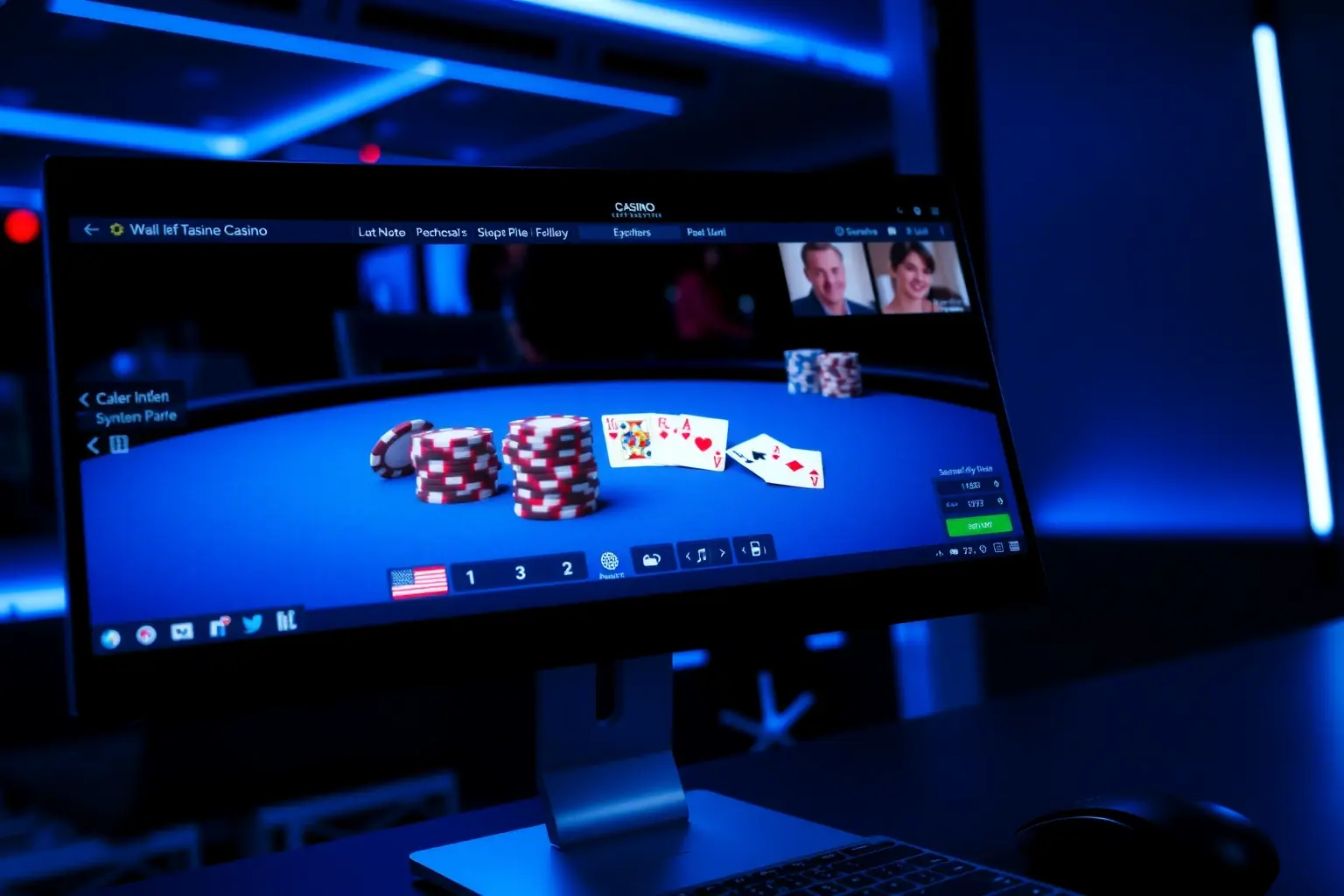
The fundamental difference? We treat tribal sovereignty as a technical requirement, not a legal footnote. Your gaming data stays on tribal land (or in tribally-controlled environments), your IT staff gets full system access, and every compliance report maps directly to NIGC bulletin requirements. That's not marketing - that's how tribal gaming technology should work.
Why Standard Casino Software Fails Tribal Operations
Most gambling software solutions are built for commercial casinos operating under state regulations. Tribal gaming exists in a different legal universe - one where federal oversight (NIGC), state compacts, and tribal ordinances create a compliance framework that standard platforms can't handle.
Here's what breaks when you try forcing commercial software into tribal operations:
- Reporting gaps: NIGC requires Title 31 compliance reports in formats commercial platforms don't generate. You end up with accounting staff manually reconciling data across three systems just to file quarterly reports.
- Compact violations: Your state compact might cap Class III game counts or mandate specific RTP ranges. Commercial software treats these as "custom requests" requiring six-month development cycles.
- Data sovereignty issues: Cloud-hosted platforms store your gaming data on AWS servers in Virginia. When NIGC audits ask for data provenance documentation, you discover you can't even prove where your player information lives.
- Multi-property nightmares: Tribal operations often run multiple properties under one gaming commission. Standard software charges per-property licensing and can't aggregate reporting across locations - your compliance officer maintains separate databases for each casino.
The cost isn't just operational inefficiency. One Oklahoma tribe spent $340K in consultant fees reverse-engineering their commercial platform's database just to generate NIGC-compliant reports. Another faced compact renegotiation penalties because their software couldn't enforce game-count caps the state required.
Sovereignty-First Architecture: What Tribal Gaming Software Must Deliver
Tribal gaming technology needs to be built around three non-negotiable principles: regulatory compliance, data sovereignty, and operational control. These aren't features you bolt on later - they're architectural requirements from day one.
NIGC Compliance Built Into the Platform
Our comprehensive software buyer's guide walks through commercial compliance, but tribal operations need deeper integration. CasinoCore generates Title 31 reports automatically - CTRs, SARs, and quarterly submissions formatted exactly as NIGC bulletins specify. When regulations update (like the 2023 amendments to MICS technical standards), your system updates without custom development contracts.
The platform tracks tribal-specific metrics commercial casinos don't monitor: per capita distribution calculations, revenue allocation to tribal programs, and compact-mandated contribution reporting. Your gaming commission gets real-time dashboards showing exactly what NIGC auditors will request - before they request it.
Data Sovereignty and Infrastructure Control
Here's the technical reality: if your casino software runs on vendor-controlled infrastructure, you don't have data sovereignty. You have vendor permission to access your own information.
CasinoCore deployments for tribal operations use three models:
- On-premises installation: Full platform deployed on tribal-owned hardware, maintained by your IT staff with our engineering support. Gaming data never leaves tribal land.
- Tribally-controlled cloud: Hosted in tribally-owned or tribally-contracted data centers with full administrative access. You control backups, encryption keys, and audit logs.
- Hybrid sovereignty model: Game content from certified providers lives in compliant hosting, but all player data, financial records, and operational databases run on tribal infrastructure.
Every model includes complete database schema documentation, API access for tribal developers, and no vendor lock-in clauses. If you want to migrate away in five years, you own all the tools to do it.
Multi-Compact and Multi-Property Management
Running properties in multiple states? Each compact has different requirements - California's might mandate quarterly reports to the state gaming agency, while Oklahoma's focuses on exclusivity zone compliance. Standard platforms make you configure this manually per property.
Our platform includes compact templates for major gaming states. Select your compact, and the system automatically enforces game-count caps, RTP requirements, and state-specific reporting. Add a second property in a different state - the system manages both compacts simultaneously, aggregating tribal-level data while maintaining property-specific compliance.
Integration With Existing Tribal Gaming Infrastructure
Your tribal operation probably already has player tracking systems, cage management software, and accounting platforms - some dating back 15 years. Rip-and-replace isn't realistic when you're running 24/7 gaming operations that support your nation's budget.
CasinoCore integrates with legacy tribal gaming systems through three approaches:
Direct database integration: We connect to your existing player database (IGT, Konami, Aristocrat systems) and sync in real-time. Players keep their existing cards, tier status transfers automatically, and historical play data feeds into our analytics without migration projects.
API middleware: Your current systems expose limited integration points? We build custom middleware that translates between legacy protocols and modern APIs. One Minnesota tribe had a 2008-era slot accounting system - we built connectors that pull transaction data every 60 seconds without touching their core platform.
Parallel operation during transition: Run old and new systems simultaneously for 90-180 days. Staff trains on new platforms, reporting gets validated against legacy data, and when you're ready, cutover happens during a planned maintenance window.
The goal isn't technology for technology's sake. It's preserving your operational knowledge while upgrading the infrastructure underneath.
Game Content and Provider Relationships for Tribal Markets
Tribal gaming software is only valuable if you can offer games your players want. The challenge? Most casino game provider integrations assume commercial casino licensing - they're not set up for tribal-federal regulatory frameworks.
CasinoCore maintains direct relationships with 40+ game studios that understand tribal gaming:
- GLI-certified content: Every game includes GLI-11 (gaming devices) and GLI-19 (interactive gaming) certifications that NIGC recognizes. No gray-market content that puts your license at risk.
- Tribal-friendly licensing: Providers who understand sovereign immunity and won't demand commercial-casino contract terms your legal team can't accept.
- Regional preferences: Oklahoma tribes need different game mixes than California operations. We help you analyze player data and build content portfolios that match your specific demographics.
New providers get added quarterly. When a studio releases tribal-certified content, it's available in your platform within 30 days - not a nine-month integration project.
Compliance Beyond NIGC: State Compacts and Tribal Ordinances
NIGC sets the federal baseline, but your actual compliance obligations come from three sources: NIGC regulations, your state compact, and your tribe's gaming ordinance. Most software treats the last two as afterthoughts.
CasinoCore's compliance module handles all three layers:
Compact enforcement: Game-count caps get monitored in real-time. Try to activate a 1,001st slot machine when your compact caps at 1,000? System blocks it and alerts your compliance officer. RTP requirements, betting limits, even operating-hours restrictions - all enforced at the platform level, not through manual oversight.
Tribal ordinance flexibility: Your gaming commission might require monthly audits of progressive jackpot reserves or mandate specific player-protection measures. The platform lets you configure custom compliance rules without vendor development contracts.
Audit trail granularity: Every configuration change, every game activation, every report generation gets logged with tribal employee credentials. When NIGC conducts a compliance review, you produce complete audit documentation in minutes - not after three weeks of IT staff manually compiling records.
Our state-by-state compliance requirements resource covers commercial regulations, but tribal operations face additional complexity. We maintain internal documentation on compact requirements for every tribal gaming state and update it as compacts get renegotiated.
Tribal IT Staffing and Knowledge Transfer
Here's the pattern we see repeatedly: vendor installs casino software, runs it for 18 months, then announces they're discontinuing support or doubling maintenance fees. Your tribal IT staff has zero knowledge of the platform because the vendor never transferred expertise - you're locked into whatever terms they demand.
CasinoCore's tribal implementations include mandatory knowledge transfer:
- 30-day on-site training: Our engineers work with your IT staff during deployment, documenting every configuration decision and teaching system administration.
- Source code access (optional): Tribes that want maximum sovereignty get access to platform source code under tribal licensing agreements. Your developers can modify, audit, or maintain the system independently.
- Quarterly technical reviews: Remote sessions where we walk your team through new features, answer architecture questions, and help plan capacity upgrades.
The goal: within six months, your tribal IT staff should be able to handle 90% of operational issues without vendor support tickets. You're not dependent on us - you're partnered with us.
Economics of Tribal Gaming Software: Real Cost Analysis
Tribal gaming operates on different economics than commercial casinos. Revenue supports tribal government operations, per capita distributions, and community programs - every dollar spent on technology is a dollar not funding tribal priorities.
Most vendors pitch tribal operations the same pricing they offer commercial casinos: revenue shares that make sense for a private company but are problematic for tribal budgets. Here's how our tribal pricing differs:
Fixed-cost licensing: No GGR percentage fees that scale with your success. You pay for the platform capacity you need (player volume, game count, property count) with predictable annual costs your gaming commission can budget.
Multi-property discounts: Second and third properties cost 40-60% less than the first because shared infrastructure reduces our operational costs - we pass that through to you.
Sovereignty premium eliminated: Some vendors charge extra for on-premises deployment or tribal-specific features. We don't - data sovereignty isn't an upsell, it's baseline architecture.
Real example: A 500-machine tribal operation in Oklahoma compared three vendors. Commercial platform with revenue share would cost $420K annually at their current GGR. Another tribal-focused vendor quoted $380K for perpetual licensing plus $95K/year maintenance. CasinoCore's tribal package: $245K annually including all compliance modules, game content, and unlimited technical support.
Getting Started: Tribal Gaming Software Implementation Roadmap
Deploying casino technology in a tribal operation isn't like installing software at a commercial property. You're coordinating with tribal gaming commissions, navigating compact requirements, and often working with limited IT infrastructure.
Here's the realistic timeline for CasinoCore tribal implementations:
Weeks 1-4 (Discovery and Planning): Our team meets with your gaming commission, IT staff, and operations managers. We document your current systems, audit compact requirements, and map out integration points with existing infrastructure.
Weeks 5-12 (Infrastructure and Integration): Hardware procurement (if needed), network configuration, and integration with legacy systems. This phase includes security audits and penetration testing - both for platform security and to validate data sovereignty architecture.
Weeks 13-20 (Platform Deployment and Staff Training): Core casino software installation, game content integration, and comprehensive training for your staff. Gaming commission gets dedicated compliance training; IT staff gets system administration certification.
Weeks 21-24 (Parallel Operation and Validation): New platform runs alongside existing systems. We validate reporting accuracy, test failover procedures, and ensure compliance documentation matches NIGC requirements.
Week 25+ (Cutover and Ongoing Support): Planned transition during low-traffic period. Our engineers stay on-site for two weeks post-cutover, then transition to remote support with guaranteed 2-hour response times for critical issues.
Total timeline: 6-7 months from contract signature to full operation. Faster than commercial deployments? No - but tribal gaming can't afford shortcuts that create compliance risks.
Why Tribal Gaming Operations Choose CasinoCore
We work with tribal gaming operations because we understand the mission is different. You're not maximizing shareholder returns - you're funding tribal government, creating jobs for tribal members, and supporting your nation's economic sovereignty.
That requires technology partners who respect tribal governance structures, understand federal Indian gaming law, and build platforms around sovereignty principles - not vendors trying to upsell commercial casino software with "tribal features" bolted on.
Twelve tribal nations across six states trust CasinoCore to run their gaming technology. Zero NIGC compliance violations. Zero compact breaches. Complete data sovereignty with no vendor lock-in.
Ready to discuss how tribal gaming software should actually work? Let's talk about your nation's specific requirements - compact obligations, infrastructure constraints, and long-term technology sovereignty goals. Schedule a consultation with our tribal gaming team, and we'll build a detailed technical assessment of what your operation needs.